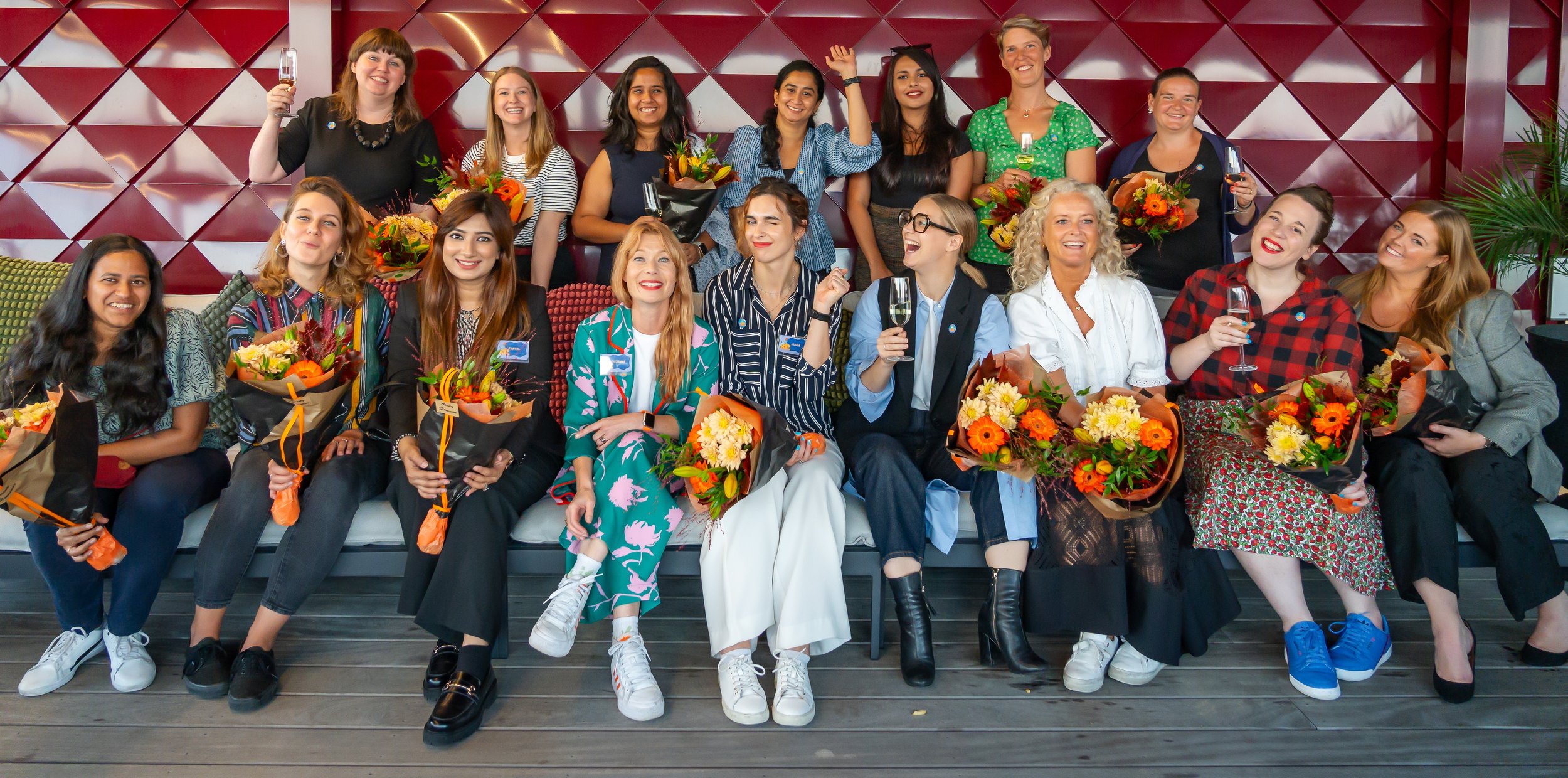
Introduction: the challenge
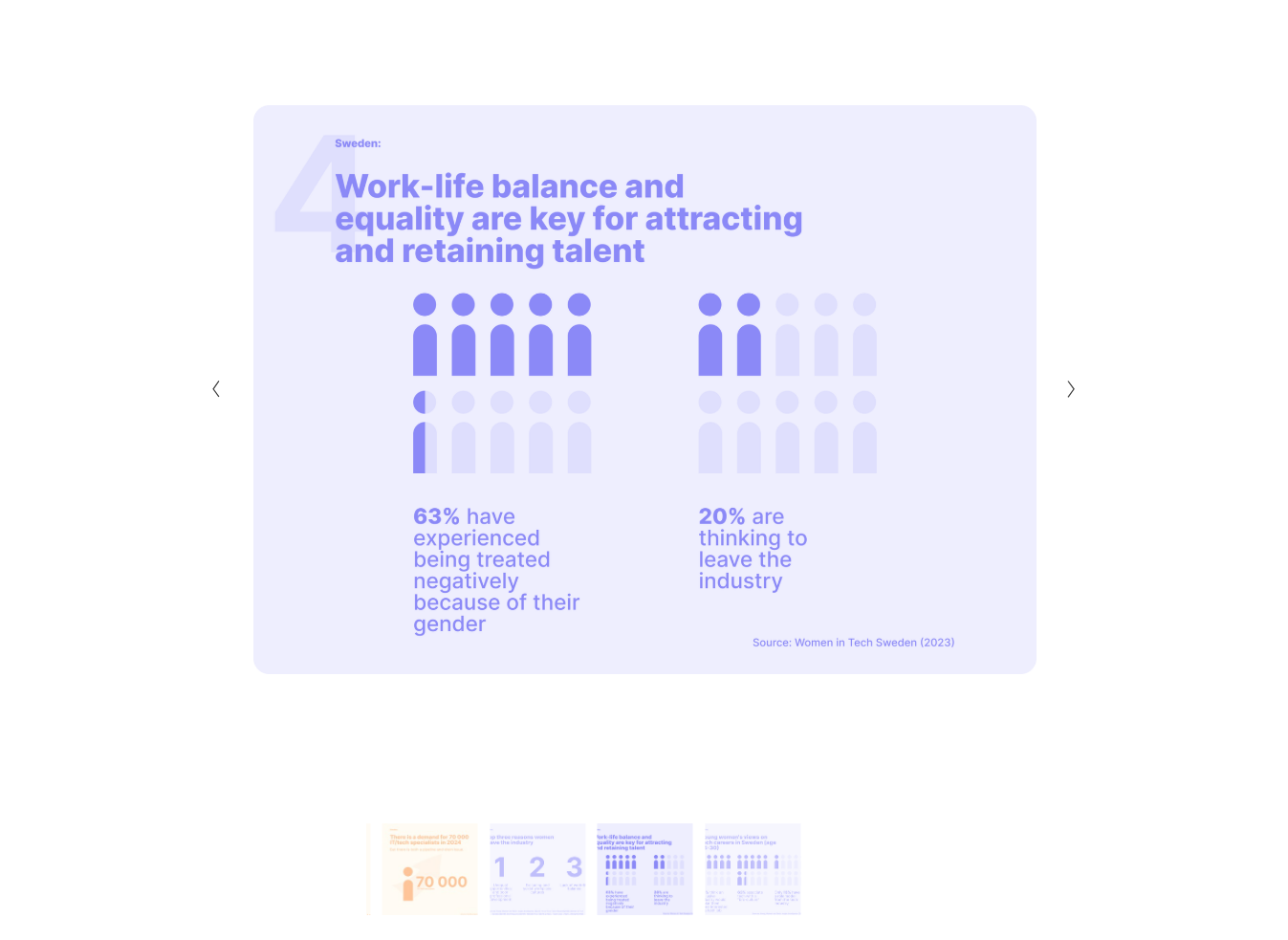
The tech industry has a gender problem. Women face barriers at every stage — getting in, getting promoted, getting paid fairly. Plenty of programs exist to address this, but many fall short on usability, accessibility, and the features women actually need.
Problem statement
Women are underrepresented in tech and often lack access to mentorship and career-advancing resources. The platforms designed to help frequently don't meet them where they are.
Objective
Design an intuitive, inclusive platform that connects women in tech with the resources, mentors, and opportunities they need to thrive — a place to connect, learn, and grow together.
Research: understanding the users
1. User interviews
I spoke with 15 women across the career arc — students, mid-level professionals, and aspiring leaders.
- Early career: needed help understanding required skills, navigating job applications, and finding entry-level openings.
- Mid-level: wanted mentorship to navigate promotions, negotiations, and leadership — plus better networking.
- Aspiring leaders: sought guidance on leadership and entrepreneurship, and wanted to connect with others who'd done it.
2. Competitive analysis
I audited LinkedIn, Meetup, and several niche mentorship apps. The same gaps came up over and over:
- Overwhelming interfaces that discouraged engagement
- Generic career advice — nothing tailored to women in tech
- Poor accessibility that excluded users with disabilities
3. Key insights
- Personalization is key — tailored mentors and resources, not one-size-fits-all.
- Community and safety matter — a supportive, judgment-free space is non-negotiable.
- Simplicity and accessibility are crucial — clean, intuitive UI for everyone.
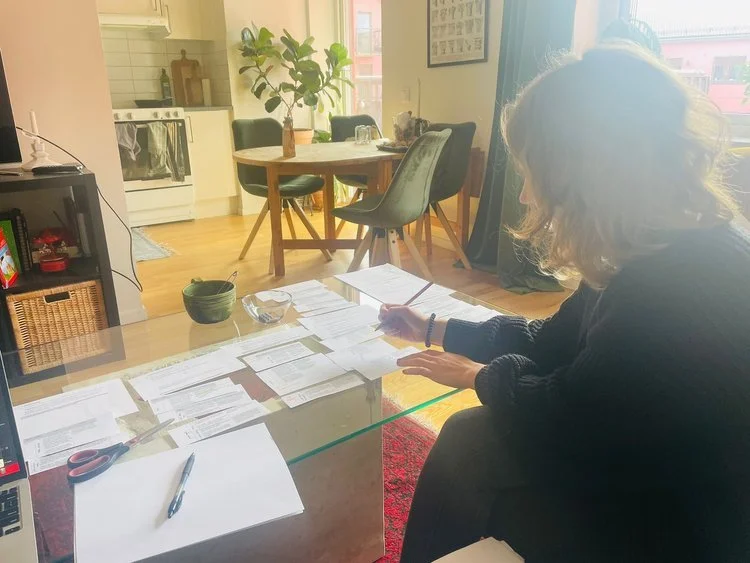
Finding patterns in the insights
Beyond interviews, we ran interactive workshops where participants shared experiences openly. I used affinity mapping to cluster responses and surface the patterns underneath.
Emerging themes
- Lack of access to mentorship — the right mentor felt like a missing puzzle piece.
- Need for tailored resources — content that matches skill level and lived experience.
- Safe and inclusive community — no fear of judgment or microaggressions.
- Progress tracking — visible evidence of growth over time.
Ideation
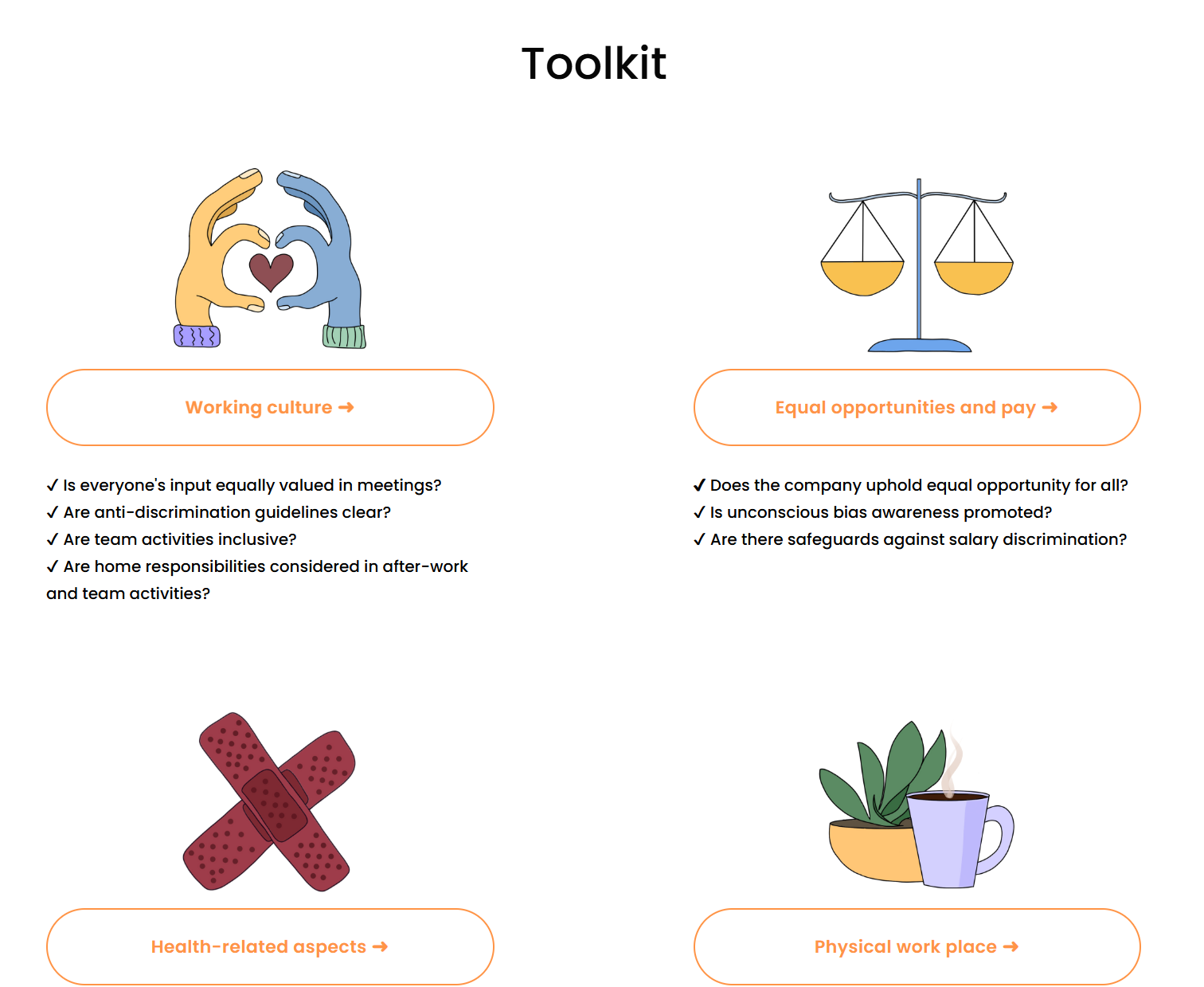
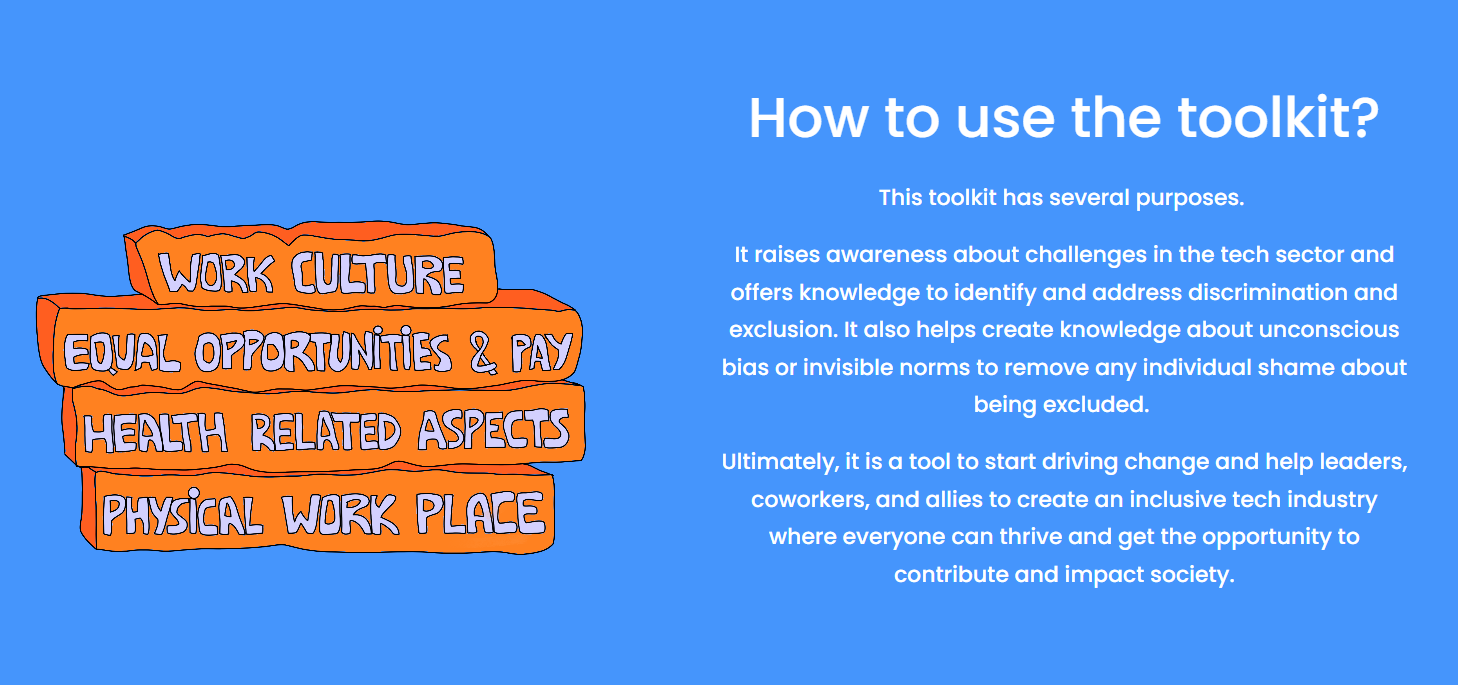
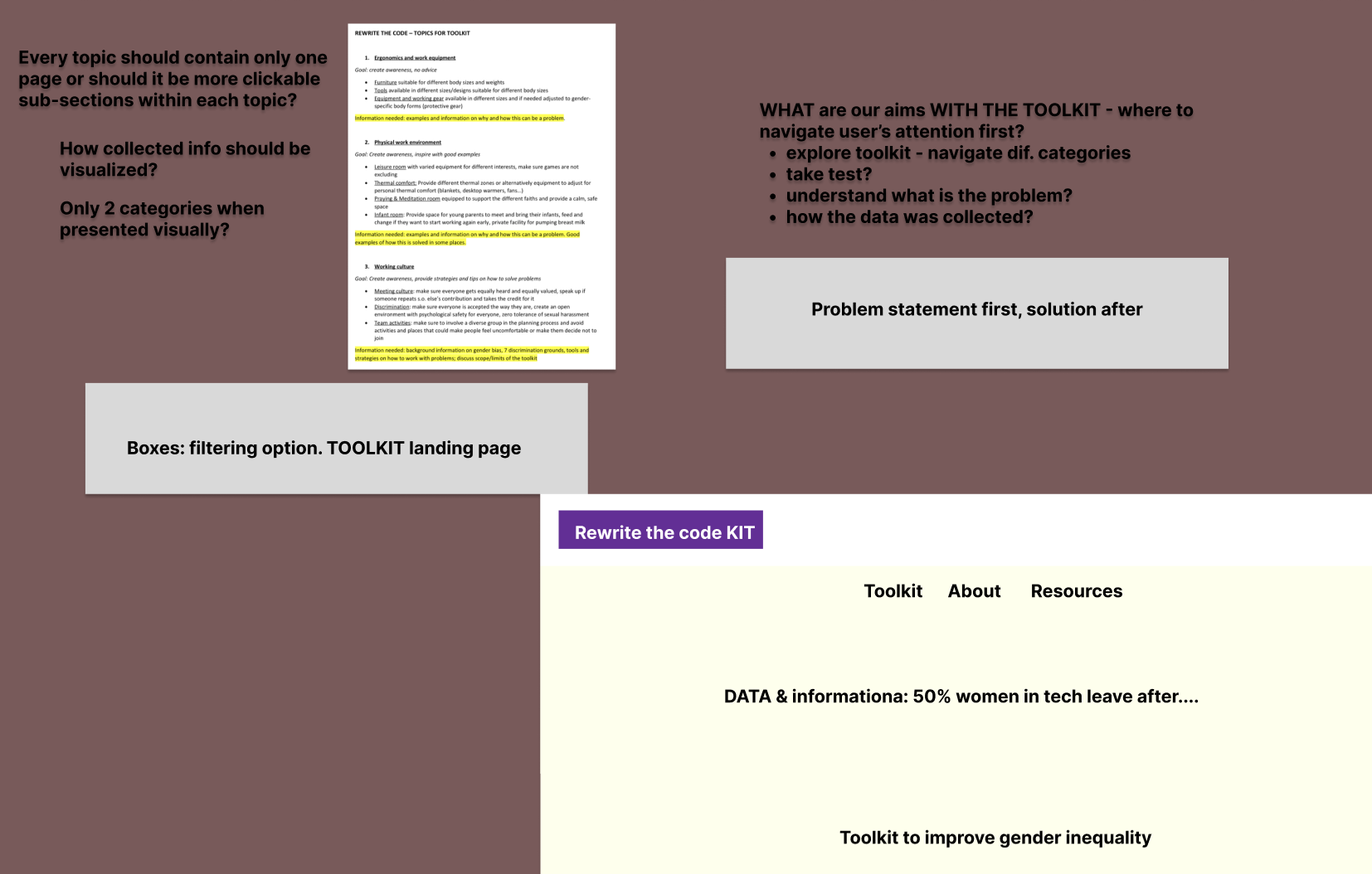
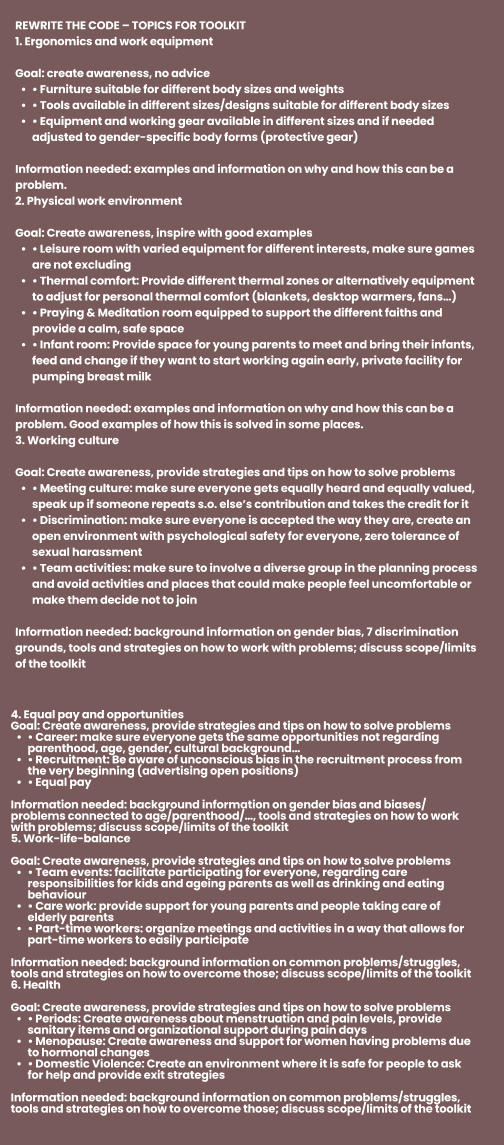
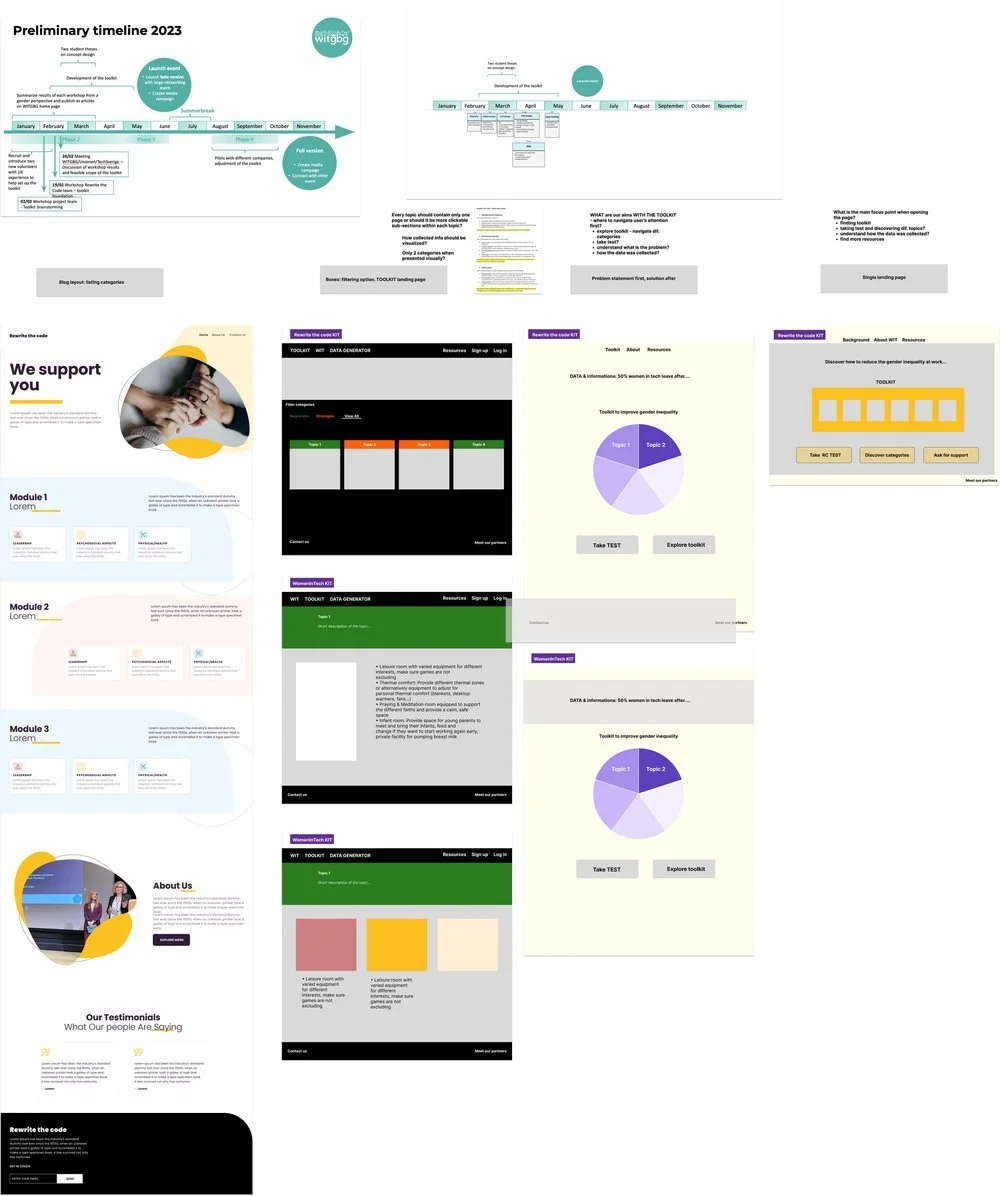
Through design workshops and brainstorming sessions, we shaped the toolkit's structure and content scope.
Design
Wireframes & prototyping
- Low-fidelity wireframes mapped core flows — mentorship matching and resource browsing.
- High-fidelity prototypes used intuitive nav, clean layouts, and accessible color palettes.
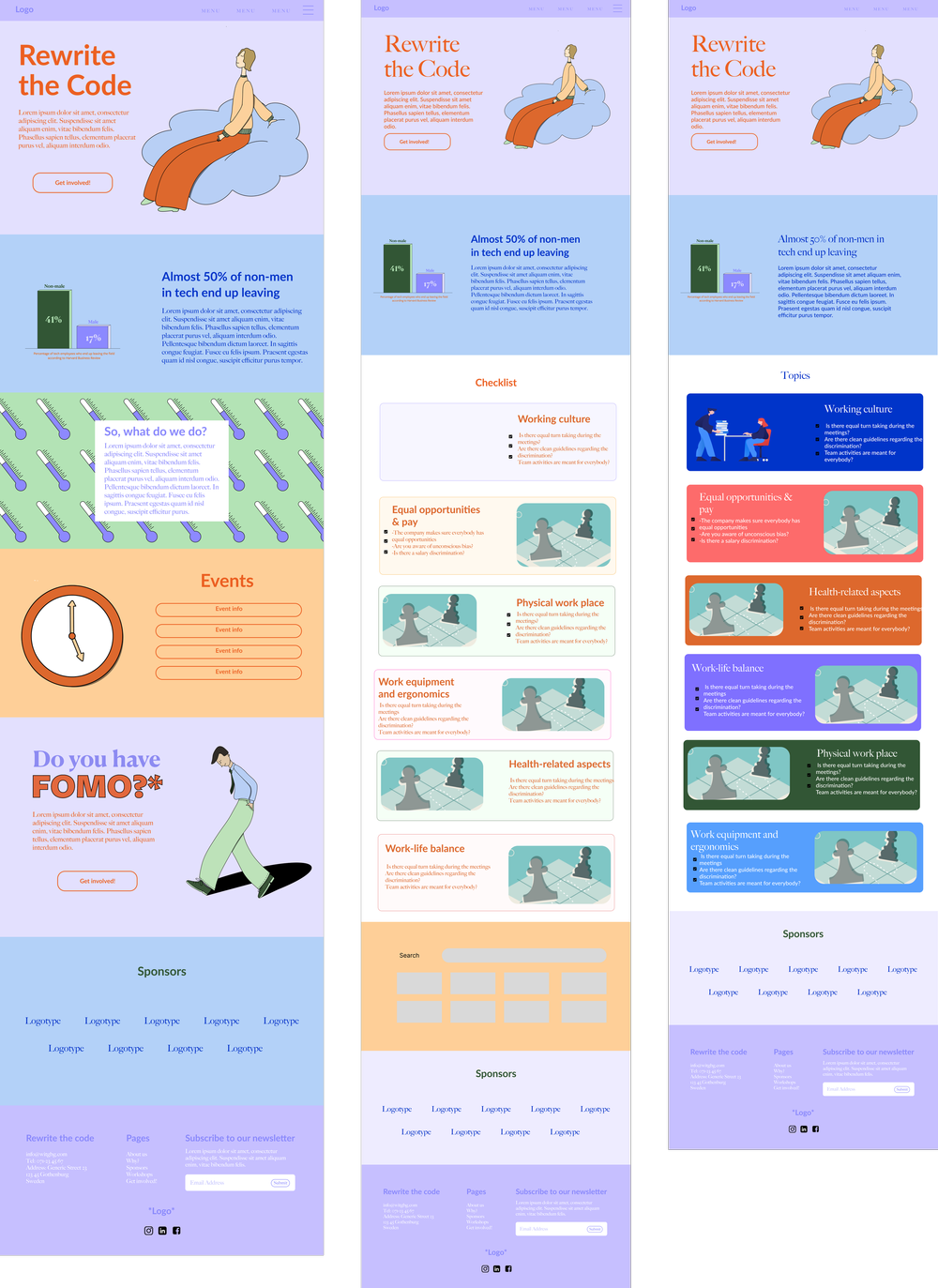
High-fidelity prototype — UI highlights
- Visual style: modern, vibrant, welcoming — professional and friendly at once.
- Typography: large, readable fonts for accessibility.
- Icons & illustration: diverse, relatable representations of women in tech.
The final product
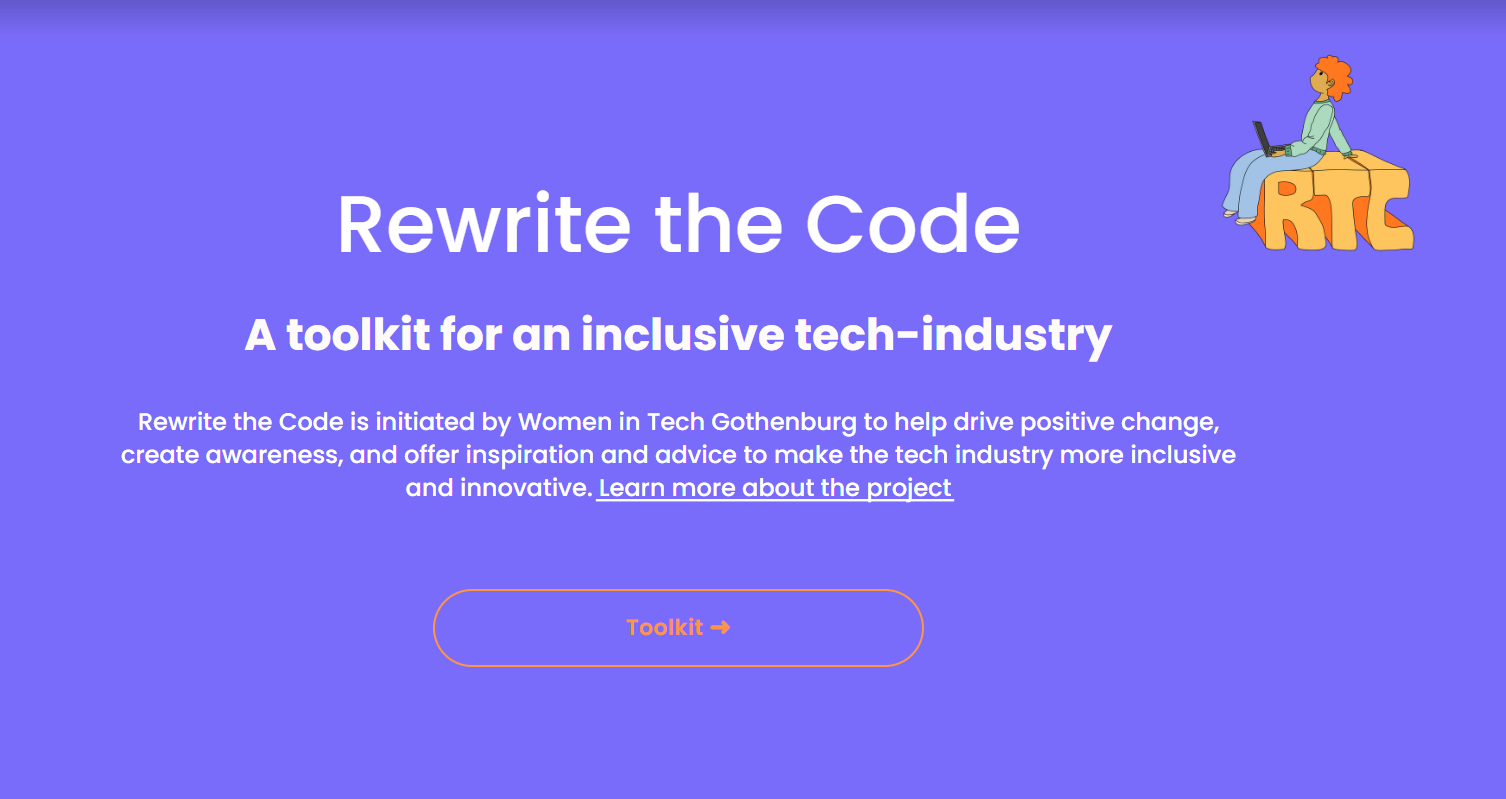
Rewrite the Code is the result of this process — a platform that gives women in tech the resources, mentorship, and community to thrive. It's live and in use by Women in Tech Gothenburg.
See it live: womenintechgbg.com/rewrite-the-code